To finish projects effectively, safely, and affordably, construction equipment is essential. Reliable equipment is crucial to maintaining production, whether a business uses bulldozers, loaders, excavators, or other heavy equipment. But buying high-quality equipment is only one aspect of making a profitable investment. Machine performance, maintenance expenses, and operational efficiency may all be greatly impacted by the technical assistance offered by an equipment provider.
There are more factors to consider when selecting a trustworthy heavy equipment dealer than just equipment availability and cost. Additionally, contractors should take into account the supplier’s technical know-how, maintenance services, availability of replacement parts, and capacity to provide support in the event of unforeseen issues.
Reducing Equipment Failure
Unexpected equipment malfunctions may cause delays in building projects and increase costs. Contractors may experience decreased productivity, higher labor expenses, and a delay in project completion when equipment breaks down. By diagnosing issues and offering suitable solutions, timely technical assistance helps reduce these interruptions.
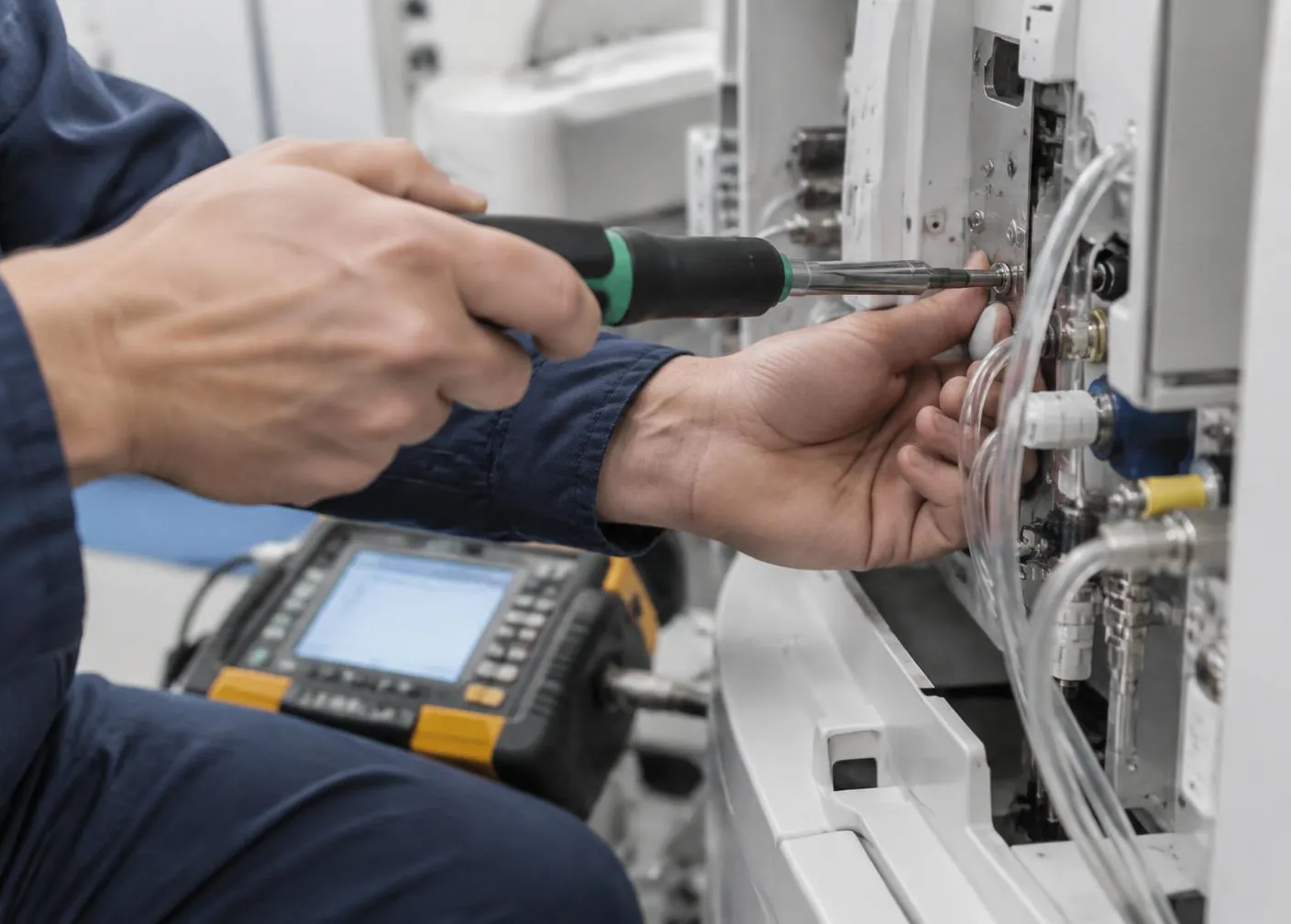
Equipment diagnostics, repairs, and troubleshooting might be aided by an equipment provider with skilled specialists. Operators can take care of mechanical problems before they become serious failures by having quick access to expert support. Businesses that run many machines on several building sites may find this assistance very helpful.
Availability Of Skilled Technical Experts
Advanced hydraulic systems, electrical controls, sensors, and computerized monitoring technologies are all included in modern construction equipment. Technical expertise and specialized knowledge are needed to maintain these components.
Qualified specialists who are familiar with the machinery they provide should be part of a trustworthy equipment supplier. These experts are able to identify problems with performance, suggest maintenance practices, and provide advice on how to operate equipment correctly.
Technical teams with experience may also assist contractors in comprehending operational constraints, equipment settings, and warning signs. Their knowledge promotes improved machine performance while lowering the likelihood of needless repairs brought on by improper maintenance procedures.
Dependable Upkeep And Repair Services
To prolong the life of equipment and avoid unforeseen mechanical issues, regular maintenance is crucial. Heavy loads, uneven terrain, dust, and shifting weather are just a few of the challenging circumstances that construction equipment routinely works in.
Access to preventative maintenance services and trustworthy repair support should be provided by a qualified heavy equipment dealer. Potential problems may be found before they have an impact on equipment operation by planned inspections, fluid replacement, filter replacements, and component assessments.
Businesses may schedule service intervals in accordance with working hours and manufacturer guidelines with the assistance of suppliers that provide structured maintenance plans. This method increases equipment dependability and enables contractors to better control maintenance costs.
Availability Of Original Replacement Parts
When necessary replacement parts are hard to come by, technical help is less effective. The prompt availability of hydraulic parts, filters, seals, electrical parts, and other essential products is often necessary for equipment maintenance.
Contractors may save wait times and expedite the restoration of equipment to operation by selecting a supplier with a reliable parts inventory. Proper equipment compatibility and performance are further supported by having access to manufacturer-approved components.
Customers may find the right parts for certain machine models with the assistance of suppliers that have effective parts ordering systems and skilled support staff. This promotes more efficient maintenance procedures and lowers purchase mistakes.
Guidance On Equipment And Operator Training
When used improperly, even sophisticated construction equipment might suffer needless wear. Therefore, an essential component of equipment ownership and management is proper operator training.
Contractors may learn about machine controls, safety protocols, and suggested operating practices from equipment providers that offer operational information. Equipment inspections, effective machine operation, and spotting early indicators of mechanical issues are a few examples of training.
Knowledgeable operators are better equipped to minimize preventable damage, handle equipment sensibly, and alert technical staff to maintenance issues.
Long-Term Equipment Assistance And Business Development
When project needs rise, construction companies often increase the size of their fleets of machines. Building a rapport with a provider that provides reliable technical support might make future equipment purchases and maintenance scheduling easier.
A reliable heavy equipment dealer may provide advice on machinery appropriateness for various applications, servicing needs, and equipment improvements. Continued technical assistance also aids contractors in assessing the operation of their equipment and making well-informed choices about replacements or repairs.
Conclusion
When choosing a provider of construction equipment, technical assistance is crucial. Equipment performance is enhanced and operational interruptions are decreased with the help of dependable maintenance services, skilled technicians, readily available replacement parts, and operator training.
Construction companies may safeguard their machinery investments, sustain productivity, and build trustworthy supplier relationships that support long-term operational success by placing a high priority on comprehensive technical assistance in addition to equipment quality and price.