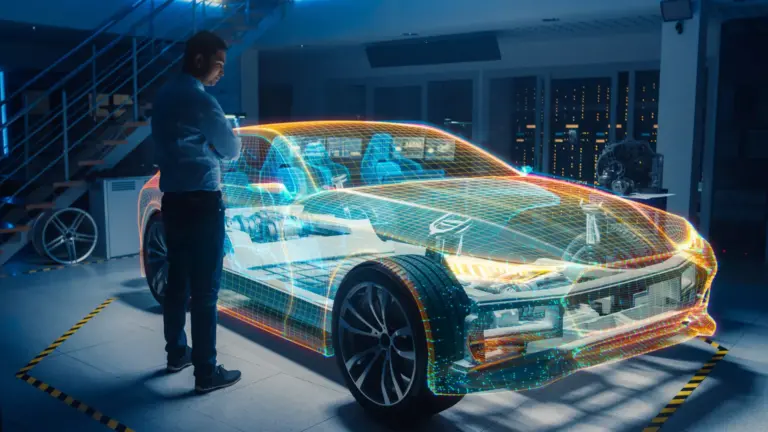
The automotive industry is experiencing one of the most transformative periods in its history. Vehicles are no longer viewed as simple transportation machines designed only to move people from one place to another. Modern engineering has introduced intelligent systems, sustainable technology, and advanced safety innovations that are reshaping the future of driving. From electric mobility to autonomous features, the road ahead reflects a new era where convenience, efficiency, and digital integration define the driving experience.
Consumers today expect vehicles to offer more than performance and appearance. They want connectivity, comfort, eco friendly technology, and smart assistance systems that simplify everyday travel. As engineers continue to push boundaries, the future of mobility is becoming increasingly intelligent and personalized.
Smarter Technology Is Changing Driving Habits
One of the biggest developments in modern automotive engineering is the rise of smart technology. Vehicles now include advanced navigation systems, real time diagnostics, voice activated controls, and driver assistance features that improve both convenience and safety. Adaptive cruise control, automatic braking systems, and lane keeping technology are becoming standard in many modern cars.
These innovations are reducing driver stress while improving road awareness. Smart engineering is helping drivers make safer decisions by providing instant alerts and monitoring surrounding traffic conditions. The integration of artificial intelligence within vehicles also creates opportunities for future autonomous driving systems that may eventually transform urban transportation completely.
As technology evolves, digital communities discussing innovation and mobility trends have also expanded through online platforms and forums dedicated to guest posting opportunities related to automotive advancements.
Electric Vehicles Are Leading A Sustainable Shift
Environmental concerns have accelerated the demand for electric vehicles across global markets. Governments, manufacturers, and consumers are all contributing to the transition toward cleaner transportation solutions. Modern engineering now focuses heavily on battery performance, charging efficiency, and lightweight vehicle design to improve sustainability without sacrificing performance.
Electric vehicles are becoming more accessible due to better infrastructure and improved affordability. Major manufacturers are investing billions into electric mobility research, creating vehicles capable of traveling longer distances with faster charging times. This transition reflects a significant shift in consumer priorities, where sustainability is becoming just as important as speed and luxury.
The growth of electric transportation is also influencing economic trends, inspiring entrepreneurs to explore opportunities connected to charging infrastructure, digital mobility services, and environmentally focused startups. Discussions around innovation driven industries often overlap with conversations surrounding the best home based businesses Australia entrepreneurs are currently exploring.

Advanced Safety Features Continue To Evolve
Safety has become one of the defining aspects of modern automotive engineering. Engineers are constantly developing systems designed to minimize accidents and improve driver protection. Features such as collision detection, blind spot monitoring, pedestrian recognition, and emergency braking systems are making roads safer for everyone.
Modern vehicles can now process data from cameras, sensors, and radar systems in real time. This allows vehicles to respond faster than human reflexes in certain situations. Engineers are also improving structural vehicle design using stronger and lighter materials that increase passenger protection during collisions.
The future of safety technology may eventually include fully connected traffic systems where vehicles communicate with one another to prevent accidents before they occur. Such innovations highlight how engineering is rapidly transforming the relationship between humans and transportation.
Urban Development Influences Automotive Innovation
Cities are changing rapidly, and automotive engineering must adapt to new urban lifestyles. Population growth, traffic congestion, and environmental concerns are influencing how vehicles are designed for modern cities. Compact electric vehicles, shared transportation systems, and autonomous public transit solutions are becoming more relevant as urban environments continue to expand.
Infrastructure planning now considers the future needs of electric charging stations, smart traffic management systems, and pedestrian friendly transportation networks. Automotive companies are working closely with urban planners to create mobility solutions that support sustainable city living.
Rapid development in urban centers often shapes transportation priorities and consumer trends. Reports covering transportation expansion and infrastructure upgrades frequently appear alongside broader discussions in Melbourne real estate news, where mobility and accessibility play important roles in property value and city planning.
Cultural Diversity Is Shaping Driving Experiences
Modern transportation reflects the diversity of the communities using it. Different lifestyles, cultural expectations, and travel patterns influence how automotive companies approach vehicle design and marketing strategies. Families, commuters, travelers, and business professionals all have different mobility needs.
In many multicultural cities, vehicles are designed with flexibility, connectivity, and practicality in mind. Automotive brands increasingly study social trends to understand how mobility fits into modern life experiences. Transportation often becomes an important part of personal identity, independence, and opportunity.
Migration patterns and international communities also contribute to evolving transportation demands. Many personal journeys connected to relocation and adaptation are reflected through inspiring Sydney immigrant stories, where mobility plays a meaningful role in building new lives and navigating unfamiliar environments.
Automotive Design Meets Fashion And Identity
Vehicle design has become closely connected to personal style and self expression. Consumers are paying more attention to aesthetics, customization, and visual identity when choosing vehicles. Modern engineering now combines performance with artistic design elements that reflect personality and lifestyle preferences.
Color palettes, interior layouts, lighting systems, and aerodynamic styling all contribute to how vehicles are perceived culturally. Automotive brands collaborate with designers and digital creators to produce cars that appeal to younger and more style conscious audiences.
This growing relationship between transportation and lifestyle trends can also be seen through evolving fashion influences connected to Australian street style, where modern aesthetics, individuality, and urban culture often intersect with automotive branding and design inspiration.
The Road Ahead Looks Increasingly Intelligent
The future of driving is evolving faster than many people expected. Beneath modern engineering lies a world of innovation focused on sustainability, intelligence, safety, and human convenience. Vehicles are becoming more connected to digital systems, urban infrastructure, and personal lifestyles than ever before.
As electric mobility expands and autonomous technology advances, transportation will continue to reshape how people live, travel, and interact with cities. Modern engineering is not only improving vehicles but also redefining the entire concept of mobility for future generations.
The coming years will likely introduce even more dramatic innovations that blur the line between transportation, technology, and everyday life. The future of driving is no longer a distant idea. It is already unfolding on roads around the world today.