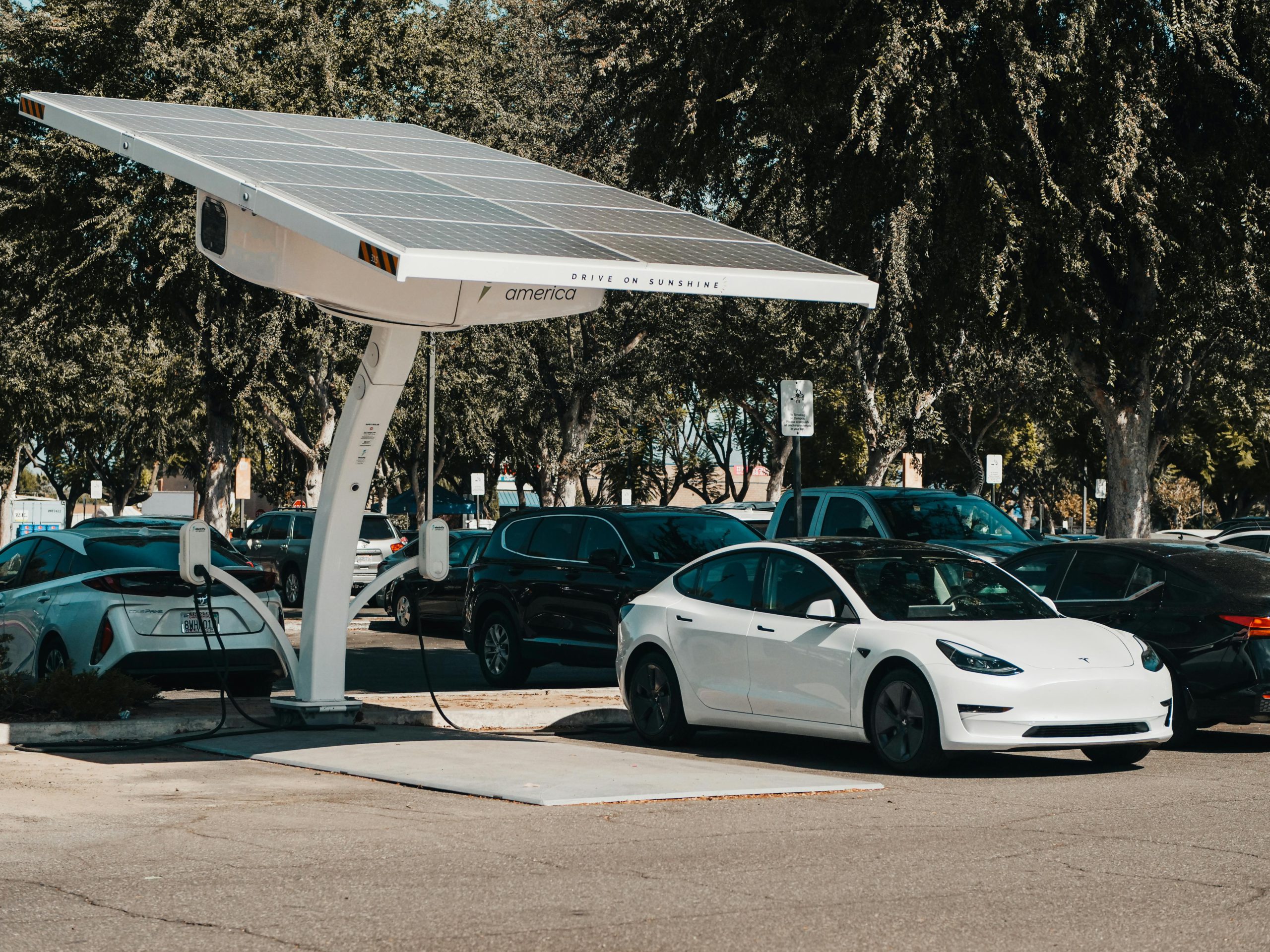
Cities across the world are rapidly changing the way people move from one place to another. Urban transportation is no longer limited to traditional fuel powered cars, crowded buses, or expensive taxi rides. Electric vehicles are now becoming a major part of daily transportation habits because they offer cleaner mobility, reduced operating costs, and improved convenience for commuters. As governments and businesses continue investing in sustainable infrastructure, electric mobility is beginning to reshape the future of city living.
The Shift Toward Cleaner Transportation
One of the biggest reasons behind the growth of electric vehicles is the increasing concern about environmental pollution. Urban areas often struggle with traffic congestion and harmful emissions produced by gasoline and diesel powered vehicles. Electric vehicles help reduce carbon emissions while also lowering noise pollution in busy cities.
Governments are introducing incentives to encourage people to adopt electric transportation solutions. Tax benefits, charging station expansion, and registration discounts are helping consumers transition toward eco friendly transportation options. Many experts featured on https://timesofbusiness.com.au have highlighted how sustainable transportation investments are becoming an important part of modern city planning.
Smart Technology Enhancing Daily Commuting
Modern electric vehicles are far more advanced than earlier models. They now include intelligent navigation systems, energy efficient batteries, and automated safety features that improve the driving experience. Many urban commuters prefer electric vehicles because they provide smooth acceleration, lower maintenance requirements, and advanced connectivity features.
Technology integration has also improved route optimization. Drivers can locate nearby charging stations, monitor battery performance, and receive traffic updates directly from their vehicle systems. These innovations are making urban transportation more efficient while reducing dependence on traditional fuel infrastructure.
The Role of Australian Business Communities
The electric mobility sector is creating opportunities for startups and local enterprises that focus on clean energy solutions. Many australian entrepreneurs are investing in electric vehicle charging networks, battery recycling projects, and smart mobility services. Their contributions are helping cities modernize transportation systems while supporting environmental sustainability goals.
The rise of electric transportation is also encouraging collaboration between technology companies, energy providers, and public transportation authorities. Businesses that adapt to this growing market are finding new opportunities for expansion and long term profitability.

Public Transportation Is Also Evolving
Electric innovation is not limited to personal vehicles alone. Public transportation systems are also adopting electric buses, shuttle services, and shared mobility programs. Many cities are replacing older fuel powered buses with electric fleets to reduce urban pollution and operating costs.
Transportation planners are now focusing on integrated mobility systems that connect electric buses, ride sharing services, bicycles, and metro networks into one connected ecosystem. Industry discussions featured through write for us news platforms frequently explore how electric public transportation can improve commuting efficiency while supporting cleaner urban environments.
Infrastructure Development Supporting Growth
The growth of electric vehicles depends heavily on infrastructure development. Charging stations are becoming more common in shopping centers, office buildings, apartment complexes, and public parking areas. Fast charging technology is also reducing waiting times, making electric vehicles more practical for everyday users.
Urban planners and policymakers are conducting detailed business analysis Australia reports to understand how transportation infrastructure can support increasing electric vehicle adoption. Investments in renewable energy powered charging stations are further strengthening the sustainability of electric transportation systems.
Opportunities for Service Industries
The expansion of electric transportation is also benefiting multiple service sectors. Mechanics, software developers, charging equipment manufacturers, and maintenance companies are adapting their services to support electric mobility. Many australian service providers are now offering specialized solutions such as EV maintenance, home charging installation, and fleet management services for businesses transitioning toward electric transportation.
As consumer demand continues growing, companies that specialize in electric mobility support services are expected to experience strong market expansion in the coming years.
Conclusion
Electric vehicle innovations are transforming urban transportation habits in ways that were once considered futuristic. Cleaner mobility solutions, smart technology integration, and expanding infrastructure are helping cities become more sustainable and efficient. As governments, businesses, and consumers continue supporting electric transportation, urban mobility will likely become more connected, environmentally responsible, and convenient for future generations.