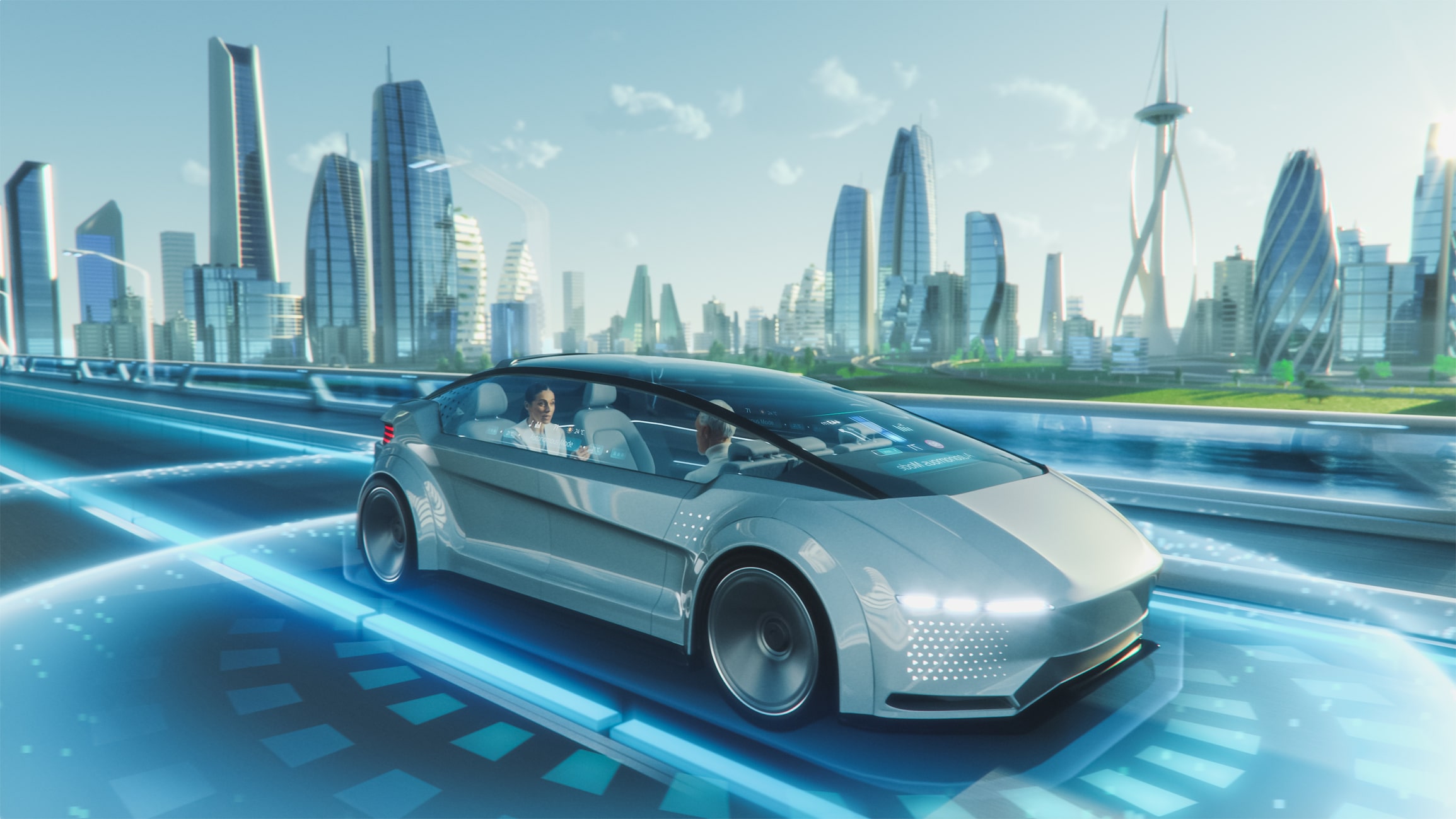
The automotive world is experiencing one of the biggest transformations in modern history. Electric vehicles are no longer viewed as futuristic concepts or luxury experiments. They are steadily becoming part of everyday transportation across cities, suburbs, and highways worldwide. As technology advances and infrastructure expands, silent electric roads are changing how people think about driving, convenience, sustainability, and mobility itself.
Unlike traditional fuel powered vehicles, electric cars create a smoother and quieter driving experience. The absence of loud engines has introduced a completely different atmosphere on the road. Many drivers describe electric vehicles as calming, efficient, and easier to manage during long commutes. This shift is influencing not only transportation systems but also urban design, consumer behavior, and automotive innovation.
The Rise Of Quiet Transportation
One of the most noticeable differences with electric vehicles is silence. Traditional engines produce constant mechanical noise, while electric motors operate with minimal sound. This quietness is beginning to reshape city environments in subtle but meaningful ways.
Busy roads that were once dominated by engine noise are gradually becoming calmer. Drivers also experience less vibration and smoother acceleration, which contributes to reduced fatigue during daily travel. The emotional experience of driving is changing alongside the technology itself.
Many analysts featured on every major digital trends blog now discuss how electric transportation is becoming connected with modern wellness culture, smart cities, and sustainable urban planning. The conversation is no longer only about reducing emissions. It is also about improving the quality of everyday life.
Changing Consumer Expectations
Electric vehicles are influencing what consumers expect from modern cars. Buyers are increasingly prioritizing efficiency, smart technology, charging accessibility, and low maintenance requirements. Features such as regenerative braking, advanced touchscreens, and driver assistance systems are becoming standard expectations.
Consumers are also paying closer attention to environmental impact. Younger generations especially are more interested in transportation choices that align with long term sustainability goals. This growing awareness is encouraging automotive companies to invest heavily in electric research and production.
The idea of ownership is changing as well. Subscription based vehicle access, shared mobility services, and software driven upgrades are becoming more common. Electric cars are not simply replacing gasoline vehicles. They are introducing an entirely different transportation ecosystem.
How Australia Is Responding To Electric Mobility?
Australia is increasingly becoming part of the global electric vehicle movement. Charging stations are expanding across major cities and regional areas, making electric travel more practical for everyday users. Government discussions around clean energy and transportation infrastructure are also gaining attention.
Conversations featured across many general blog Australia platforms often focus on how electric vehicles could reshape suburban lifestyles, long distance travel habits, and future city development. Australians are beginning to view electric mobility as both a technological advancement and a lifestyle transition.
As more consumers adopt electric vehicles, businesses connected to charging infrastructure, renewable energy, and smart transportation services are expected to grow rapidly. This transition could create entirely new industries and employment opportunities over the next decade.
Smart Technology Behind Electric Vehicles
Modern electric cars rely heavily on software and connectivity. Unlike older vehicles that focused mainly on mechanical engineering, electric cars are increasingly driven by digital systems and intelligent automation.
Features such as remote diagnostics, wireless updates, voice controls, and predictive navigation systems are transforming the driving experience. Drivers can now monitor battery performance, locate charging stations, and control vehicle settings directly from smartphone applications.
This strong connection between mobility and digital technology has made electric vehicles part of broader innovation discussions. Reports appearing in breaking news Australia sections frequently highlight advancements in battery technology, charging speed improvements, and autonomous driving systems connected to electric transportation.
The future of driving is becoming increasingly intelligent, connected, and data driven.
The Impact On Local Businesses And Services
The growth of electric transportation is also influencing smaller industries and service providers. Auto repair businesses are adapting to new vehicle systems, while property developers are integrating charging stations into residential and commercial spaces.
Even tourism and hospitality sectors are responding to changing travel behavior. Hotels, shopping centers, and public destinations are increasingly offering charging facilities to attract electric vehicle owners.
Many directories and service platforms connected to local services Australia now include charging infrastructure providers, electric vehicle maintenance specialists, and renewable energy installation services. This demonstrates how electric transportation is creating ripple effects across multiple industries.
As adoption increases, businesses that adapt early to electric mobility trends may gain a significant competitive advantage.
Mobile Technology And The New Driving Experience
Electric vehicles are deeply connected to mobile technology. Smartphone integration has become central to the ownership experience. Drivers use mobile apps to unlock vehicles, schedule charging sessions, track battery health, and even precondition cabin temperatures before entering the car.
Automotive companies are increasingly investing in connected ecosystems that blend transportation with digital convenience. This integration is influencing how brands communicate with customers and manage user experiences.
Marketing professionals using mobile marketing tools are also paying attention to the rise of electric vehicle audiences. Drivers who adopt electric transportation often engage heavily with technology platforms, sustainability focused products, and digital lifestyle services.
As a result, automotive marketing strategies are becoming more personalized, app focused, and data driven than ever before.
Environmental Benefits And Long Term Challenges
Electric vehicles offer significant environmental advantages, especially when powered by renewable energy sources. Reduced greenhouse gas emissions and lower dependence on fossil fuels make electric transportation an important part of climate strategies worldwide.
However, challenges still exist. Battery production, charging infrastructure limitations, and electricity demand continue to raise important discussions. Governments and private industries must work together to create sustainable long term solutions.
Battery recycling technology and renewable energy expansion will likely play major roles in addressing these concerns over time.
The Future Of Everyday Driving
Silent electric roads represent more than a transportation trend. They symbolize a broader shift toward smarter, cleaner, and more connected lifestyles. Driving is becoming quieter, more efficient, and increasingly integrated with digital technology.
As electric vehicles continue expanding globally, the experience of everyday travel will keep evolving. Roads may become calmer, cities more sustainable, and transportation systems more intelligent than ever before.
The future of mobility is no longer distant. It is already unfolding across highways, neighborhoods, and urban streets around the world.