Transportation has evolved dramatically over the years, driven by continuous technological advancements. From traditional vehicles to smart mobility solutions, the way people travel is being reshaped at a rapid pace. Even seemingly unrelated digital trends like rtps 12 reflect how quickly information spreads in today’s world, influencing innovation across industries. Technology is not just improving transportation, it is redefining how we move, connect, and experience travel.
The Shift Toward Smart Mobility
One of the most significant changes in transportation is the rise of smart mobility. Modern vehicles are no longer just machines for travel, they are integrated systems equipped with advanced technologies.
Features like real time navigation, automated controls, and connectivity have transformed the driving experience. Vehicles can now communicate with each other and with infrastructure, improving efficiency and safety.
Platforms such as blooketjoinplayhost.com highlight how digital connectivity has become a part of everyday life, influencing how transportation systems are designed and operated.
The Rise Of Electric Vehicles
Electric vehicles have become a major focus in the automotive industry. As concerns about environmental sustainability grow, the demand for cleaner and more efficient transportation options has increased.
Electric cars reduce emissions and reliance on fossil fuels, making them a key component of future mobility. Governments and companies are investing heavily in charging infrastructure and battery technology to support this transition.
The shift toward electric vehicles is not just a trend, it is a necessary step toward a more sustainable future.
Autonomous Driving Technology
Autonomous vehicles are another groundbreaking development in transportation. Self driving technology uses sensors, cameras, and artificial intelligence to navigate roads without human intervention.
This innovation has the potential to reduce accidents, improve traffic flow, and provide greater accessibility for people who cannot drive.
While fully autonomous vehicles are still in development, the progress made so far indicates that they will play a significant role in the future of transportation.
The Influence Of Digital Lifestyles
Modern lifestyles are closely tied to digital experiences, and transportation is no exception. The demand for convenience and efficiency has led to the development of on demand mobility services.
Concepts like make1m.com millionaire lifestyle reflect how aspirations and digital trends influence consumer behavior, including preferences for luxury and convenience in transportation.
Ride sharing apps, subscription based vehicle services, and integrated travel platforms are becoming increasingly popular, offering flexible and personalized solutions.
Integration Of Artificial Intelligence
Artificial intelligence is playing a crucial role in redefining transportation. It enables smarter decision making, predictive maintenance, and enhanced safety features.
AI systems can analyze data in real time to optimize routes, reduce congestion, and improve overall efficiency. This technology is also used in traffic management systems, helping cities handle growing transportation demands.
The integration of AI is making transportation systems more intelligent and responsive.
Connectivity And Real Time Data
Connectivity is at the heart of modern transportation. Vehicles and infrastructure are now interconnected, allowing for seamless communication and data sharing.
This connectivity enables real time updates on traffic conditions, weather, and road hazards. It also supports advanced features like remote vehicle monitoring and control.
Websites such as https://theunsentmessageprojects.com/ demonstrate how digital platforms connect people and information, a concept that is equally relevant in transportation systems.
Enhancing Safety Through Technology
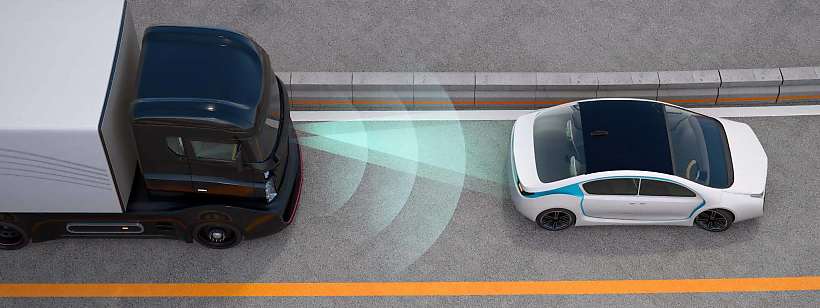
Safety has always been a priority in transportation, and technology has significantly improved it. Advanced driver assistance systems, automatic braking, and lane keeping features help prevent accidents.
These technologies not only protect drivers and passengers but also contribute to safer roads for everyone. Continuous innovation in safety features ensures that transportation becomes more reliable and secure.
As technology evolves, safety standards will continue to improve.
The Role Of Global Connectivity
Global connectivity has expanded the reach of transportation systems. People can now plan and manage their journeys using digital tools, making travel more convenient and efficient.
Communities and platforms discussing topics like dazcfutbolios live reflect how information travels quickly across the globe, influencing various industries, including transportation.
This interconnected world allows for the sharing of ideas and innovations, accelerating the development of new transportation solutions.
Challenges And Future Considerations
Despite its advancements, technology driven transportation faces several challenges. Issues such as data privacy, cybersecurity, and infrastructure limitations need to be addressed.
Additionally, the transition to new technologies requires significant investment and adaptation. Ensuring that these innovations are accessible to all is essential for creating inclusive transportation systems.
Balancing innovation with practicality will be key to overcoming these challenges.
Conclusion
Technology continues to redefine transportation in ways that were once unimaginable. From smart mobility and electric vehicles to artificial intelligence and connectivity, the industry is undergoing a profound transformation. These advancements are making transportation more efficient, sustainable, and accessible. However, they also require careful consideration and responsible implementation. As technology evolves, transportation will become an even more integral part of modern life, shaping how we move and interact with the world around us.