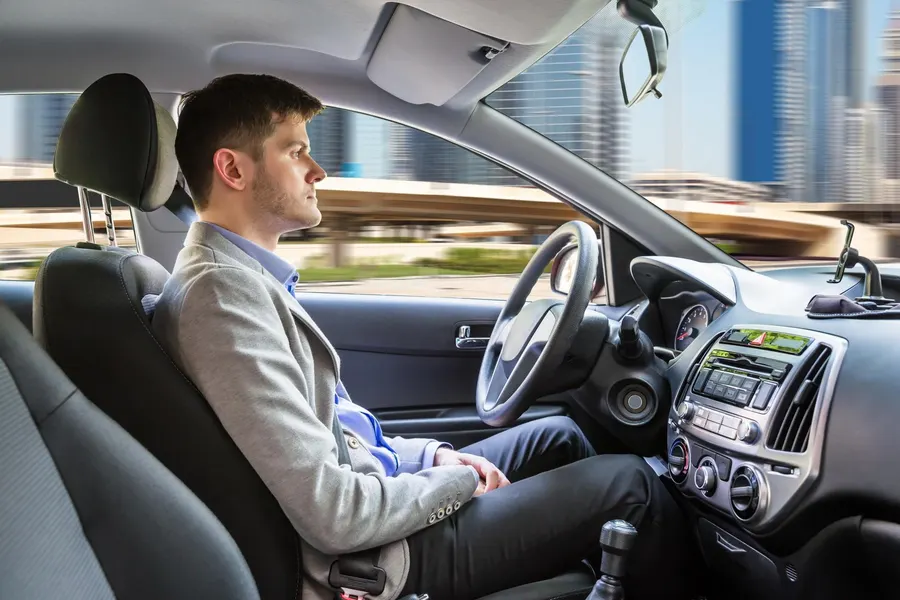
The driving experience has changed dramatically over the years, evolving from purely mechanical systems to highly intelligent machines. Today, vehicles are equipped with advanced technologies that enhance safety, comfort, and efficiency. Even during routine online interactions like browsing https://sewayojanportal.org, the integration of smart systems in everyday life reflects how technology is reshaping how we move and live. Smart vehicles are no longer a luxury, but a growing standard that is transforming the way we experience driving.
The Rise Of Intelligent Driving Systems
Modern vehicles are now equipped with features that were once considered futuristic. From adaptive cruise control to lane keeping assistance, smart technologies help drivers make better decisions on the road.
These systems rely on sensors, cameras, and real time data processing to monitor surroundings and respond quickly. This reduces human error and improves overall safety. The result is a driving experience that feels more controlled, reliable, and less stressful.
As technology continues to advance, vehicles are becoming more capable of handling complex driving situations with minimal human intervention.
Enhanced Safety Through Automation
Safety has always been a priority in the automotive industry, but smart vehicles have taken it to a new level. Automated braking systems, blind spot detection, and collision warnings significantly reduce the risk of accidents.
These features act as an extra layer of protection, supporting drivers in critical moments. Instead of relying solely on human reflexes, smart systems provide immediate responses that can prevent dangerous situations.
This shift from reactive to proactive safety is one of the most important ways smart vehicles are redefining driving.
Seamless Connectivity And Integration
One of the defining characteristics of smart vehicles is their ability to stay connected. Modern cars integrate with smartphones, navigation systems, and online platforms to provide real time information and entertainment.
For example, just as users explore creative ideas on www.royalfronthandmehndidesign.org, drivers can access navigation, music, and communication tools directly from their vehicle dashboards. This seamless connectivity enhances convenience and keeps drivers informed without unnecessary distractions.
Connected vehicles create a more interactive and personalized driving experience.
Improved Efficiency And Performance
Smart vehicles are designed to optimize performance and efficiency. Advanced systems monitor driving patterns, fuel consumption, and engine performance to provide insights that help drivers make better choices.
Features like eco driving modes and predictive maintenance alerts ensure that vehicles operate at their best while reducing costs and environmental impact.
This focus on efficiency not only benefits individual drivers but also contributes to a more sustainable future.
The Balance Between Technology And Control
While smart vehicles offer numerous benefits, maintaining a balance between automation and human control is essential. Drivers still play a crucial role in decision making, especially in complex or unexpected situations.
Think of it like achieving a perfect circle perfect circle. It requires both precision and control. Similarly, driving with smart technology requires a balance between relying on automated systems and staying actively engaged.
This balance ensures that technology enhances the driving experience without completely replacing human judgment.

Comfort And Personalization
Smart vehicles are also transforming comfort levels. From climate control systems to adjustable seating and ambient lighting, modern cars are designed to provide a personalized experience.
Drivers can customize settings based on their preferences, creating a more enjoyable and relaxing environment. Long drives become less tiring, and everyday commutes feel more comfortable.
This focus on personalization makes driving not just a necessity but a pleasant experience.
Real Time Navigation And Decision Making
Navigation systems in smart vehicles go beyond basic directions. They provide real time updates on traffic, road conditions, and alternative routes.
Even while exploring content on platforms like https://anfieldedition.net, the importance of timely and accurate information becomes clear. In driving, this information helps reduce delays and improves travel efficiency.
Real time navigation allows drivers to make informed decisions, saving both time and fuel.
The Future Of Autonomous Driving
The development of autonomous vehicles is one of the most exciting aspects of smart driving technology. While fully self driving cars are still evolving, many vehicles already offer semi autonomous features.
These systems can handle tasks like parking, highway driving, and traffic navigation with minimal input. As technology progresses, the role of the driver may continue to change.
However, the goal is not to eliminate drivers entirely, but to create safer and more efficient transportation systems.
Challenges And Considerations
Despite their advantages, smart vehicles also present challenges. High costs, data privacy concerns, and reliance on technology are important factors to consider.
Engaging with digital platforms like sfmcompilr highlights how technology can sometimes become overwhelming. Similarly, overdependence on smart systems in vehicles may reduce driver awareness if not managed properly.
Addressing these challenges is essential to ensure that smart vehicles remain beneficial and reliable.
Conclusion
Smart vehicles are redefining everyday driving by combining technology, safety, and comfort into a seamless experience. They are transforming how we interact with our cars and how we navigate the world around us. From enhanced safety features to real time connectivity, these advancements are making driving more efficient and enjoyable. As technology continues to evolve, the future of driving will likely become even more intelligent and integrated. Ultimately, smart vehicles are not just changing how we drive, but how we experience movement itself.