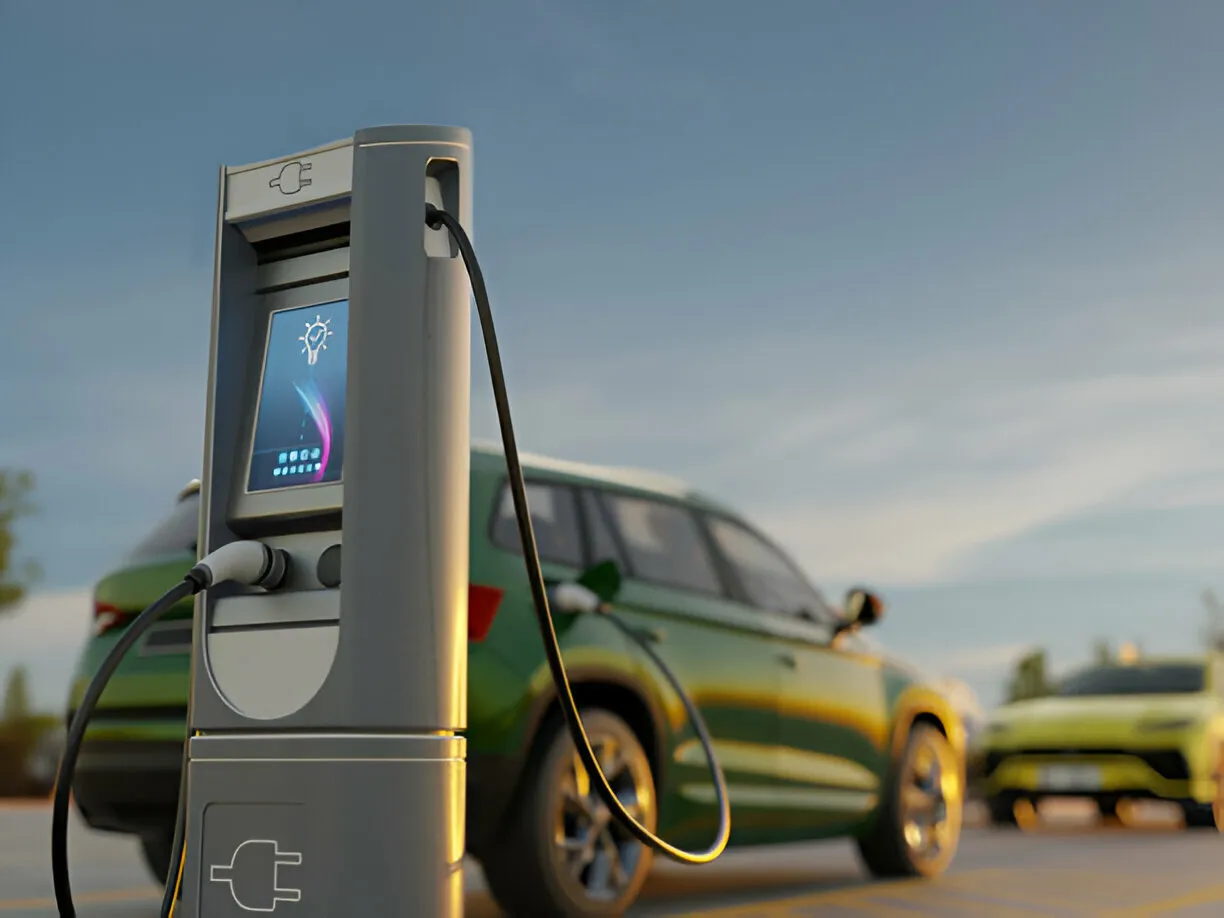
The global transportation landscape is undergoing a dramatic transformation as electric mobility and sustainable transport solutions gain momentum. Rising fuel costs, environmental concerns, and rapid technological advancements are encouraging governments, businesses, and consumers to rethink how people and goods move. The future of mobility is no longer centered on fossil fuels but on cleaner, smarter, and more efficient transportation systems.
The Shift Toward Electric Vehicles
Electric vehicles have become the cornerstone of sustainable mobility. Advances in battery technology have improved driving range, reduced charging time, and lowered costs, making EVs increasingly accessible. Major automotive manufacturers are investing billions in electric platforms, while startups continue to innovate in battery efficiency and charging infrastructure.
Government incentives, tax rebates, and stricter emission regulations are also accelerating adoption. Cities worldwide are setting deadlines to phase out internal combustion engines, pushing consumers toward greener alternatives.
Environmental Benefits Driving Change
Transportation accounts for a significant share of global carbon emissions. Electric mobility reduces greenhouse gas emissions, improves air quality, and decreases dependence on fossil fuels. When powered by renewable energy sources such as solar or wind, EVs can operate with near zero emissions.
Cleaner transport not only protects the environment but also improves public health by reducing pollution related illnesses. Urban areas, where congestion and air pollution are severe, stand to benefit the most.
Smart Cities and Sustainable Infrastructure
Electric mobility is closely linked with smart city development. Urban planners are integrating charging stations, energy efficient public transit, and shared mobility systems to create sustainable transportation networks.
Smart traffic management systems powered by artificial intelligence help reduce congestion and energy waste. Electric buses, metro expansions, and micro mobility options such as e scooters and e bikes are becoming common in modern cities.
Interestingly, digital culture and online trends also influence consumer awareness. Discussions about environmental responsibility often appear alongside unrelated trending topics such as pinayfñix or snap plus planets, showing how sustainability conversations are becoming part of broader online engagement.
Innovation in Public Transport
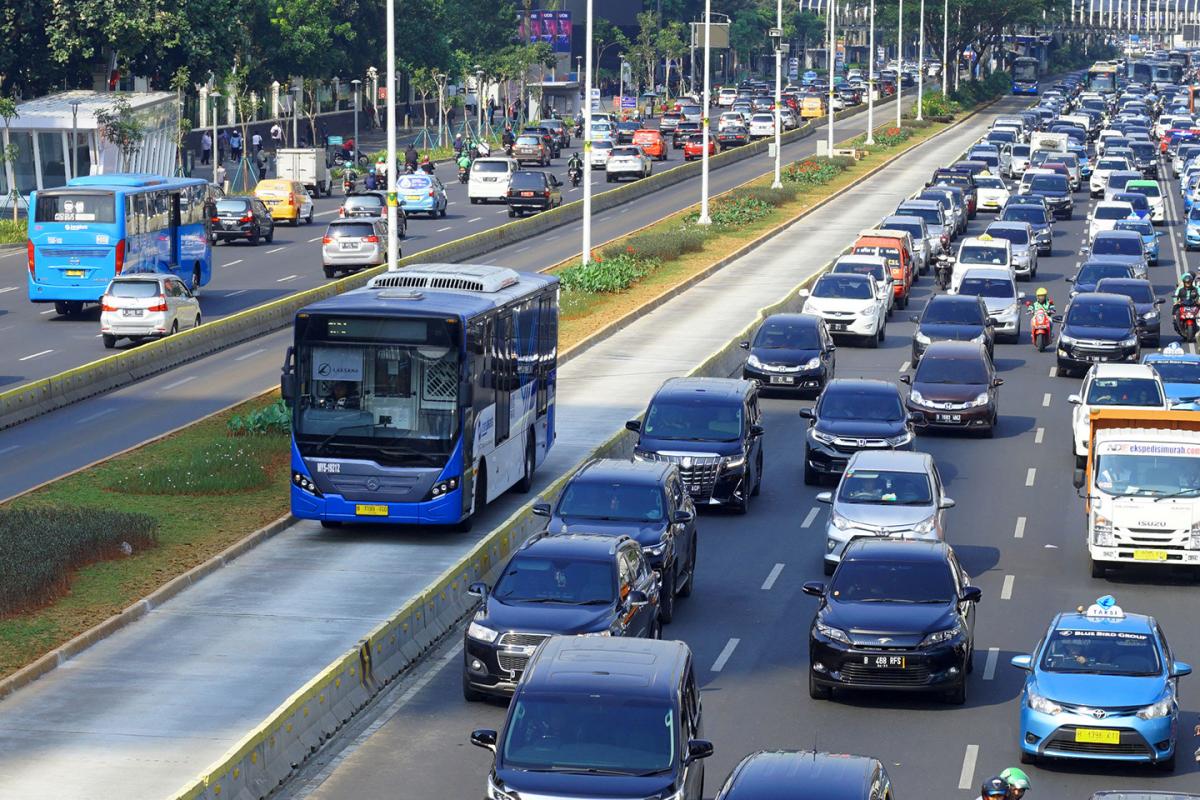
Sustainable mobility extends beyond personal vehicles. Electric buses, hydrogen powered trains, and autonomous shuttles are reshaping public transport systems. These innovations reduce operational costs and emissions while improving accessibility.
Shared mobility platforms including ride sharing, car pooling, and bike sharing services further reduce the number of vehicles on the road. This shift helps cities manage congestion and optimize energy usage.
Economic Opportunities and New Business Models
The rise of electric mobility is creating new industries and economic opportunities. Charging infrastructure networks, battery recycling facilities, and renewable energy integration services are rapidly expanding sectors.
Entrepreneurs and digital platforms are also capitalizing on the transition. Online discussions about emerging industries often appear next to trending business topics such as shopping businessnewstips, reflecting growing interest in sustainable business opportunities.
The EV supply chain is generating jobs in manufacturing, software development, energy management, and infrastructure planning, contributing to economic growth while supporting sustainability goals.
Technology Integration and Connectivity
Electric mobility is not just about replacing engines with batteries. It involves integrating connectivity, data analytics, and automation to enhance efficiency and safety.
Smart vehicles can optimize routes, monitor battery health, and communicate with traffic systems to reduce delays. Autonomous driving technology, though still evolving, promises safer roads and improved transport efficiency in the future.
Digital media continues to shape public perception of these innovations. Online creators frequently discuss emerging technology trends alongside lifestyle topics such as youtuber net worth and youtuber net worth, reflecting how sustainability and technology are becoming mainstream discussion themes.
Challenges to Overcome
Despite rapid progress, several challenges remain. Charging infrastructure must expand to support widespread EV adoption. Battery production requires rare minerals, raising concerns about sustainable sourcing and recycling.
Grid capacity must also evolve to handle increased electricity demand. Policymakers and energy providers must collaborate to ensure reliable and renewable energy supplies.
Consumer awareness and affordability remain key barriers, especially in developing regions. However, declining battery costs and supportive policies are expected to make electric mobility more accessible in the coming years.
The Road Ahead
The future of electric mobility and sustainable transport is promising and transformative. As technology evolves and infrastructure improves, transportation will become cleaner, smarter, and more efficient.
Electric vehicles, smart public transit, renewable energy integration, and shared mobility solutions will shape a sustainable future. By embracing innovation and responsible planning, societies can create transport systems that protect the planet while supporting economic growth and modern lifestyles.
The journey toward sustainable mobility is not just a technological shift but a global movement toward a cleaner, more efficient world.